
Few years ago, update a home appliance meant get something more quieter. Maybe a little faster.
Now? It feels different.
Home appliances are no longer mere background devices. They are learning, adapting, saving energy, and in some environments, unknowingly improving our health—yet we remain unaware.
If you’ve searched for smart appliances recently, you’ll notice it. Interest in connected, energy-efficient devices continues to soar, and the reasons are clear.
Homes are becoming smarter — but also more thoughtful.
Smart Doesn’t Just Mean Wi-Fi Anymore
There was a time when “smart” meant you could control something from your phone. That was impressive enough.
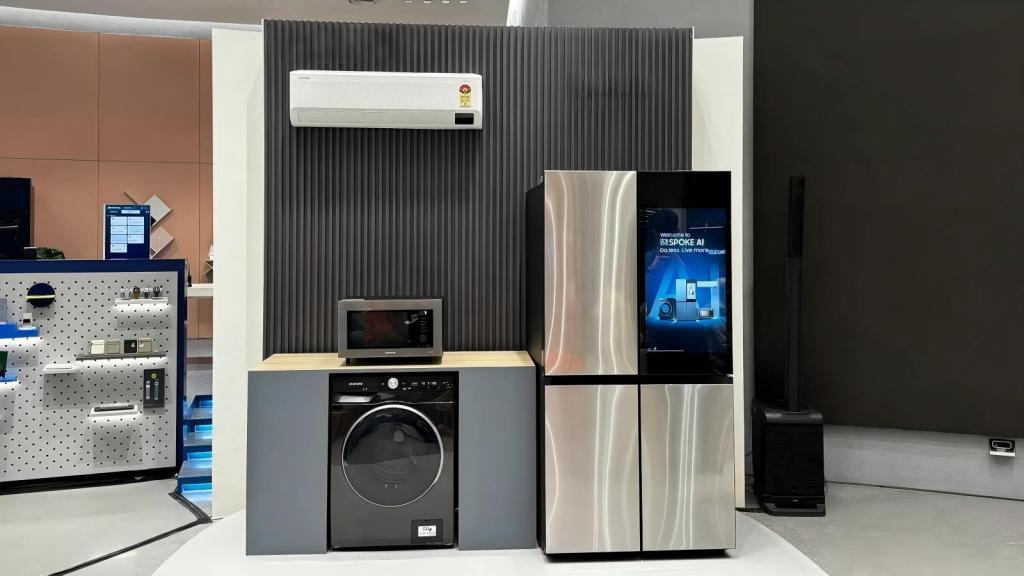
Today, smart home appliances go further. They adjust based on how you use them. They track performance. Some even anticipate maintenance before a breakdown happens.
A washing machine that chooses the optimal cycle automatically.
A refrigerator that regulates internal zones depending on what’s stored.
An oven that suggests cooking settings.
This small change has altered the daily rhythm of many households.
Moreover, this upgrade—once considered a luxury—is gradually becoming the public’s expectation.
Energy Efficiency Is No Longer Optional
High energy costs have altered the purchasing behavior of most people. So has environmental awareness.
People aren’t just comparing price tags anymore. They’re asking:
How much electricity does this use?
Will it lower my monthly bills?
Is it eco-friendly?
That’s why searches for energy-efficient appliances and eco-friendly home appliances continue to grow.
Modern refrigerators use smarter insulation. Dishwashers optimize water usage. Some systems even adjust power consumption depending on peak hours.
Efficiency isn’t just about saving money. It’s about control — knowing your home isn’t wasting more than it needs to.
The Kitchen Is Getting Smarter — and Smaller
Interestingly, the biggest innovation isn’t always in massive appliances.
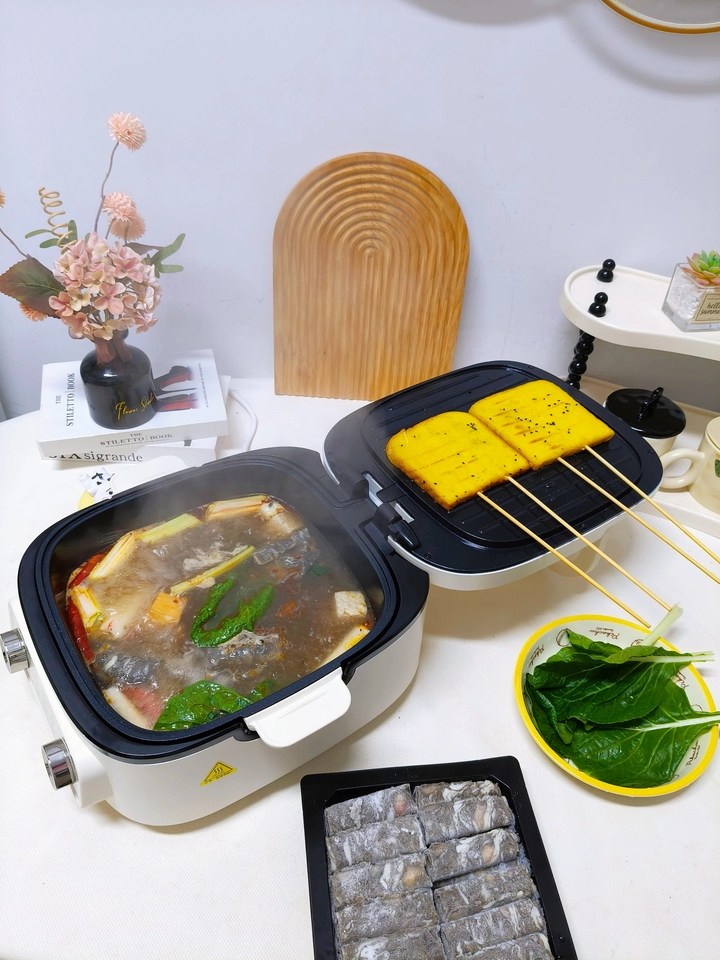
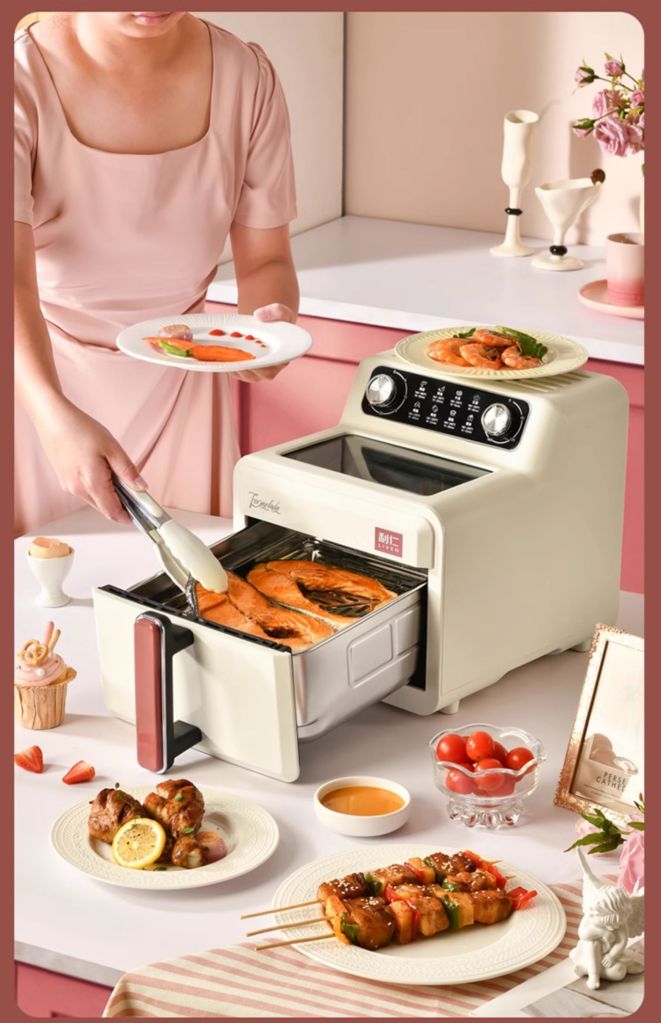
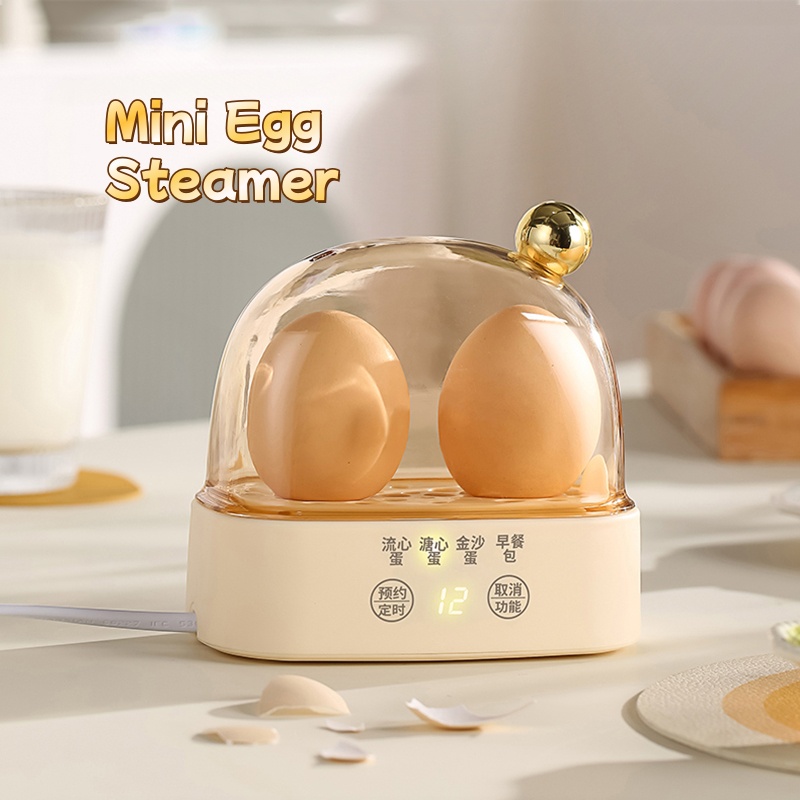
It’s in compact, smart cooking appliances.
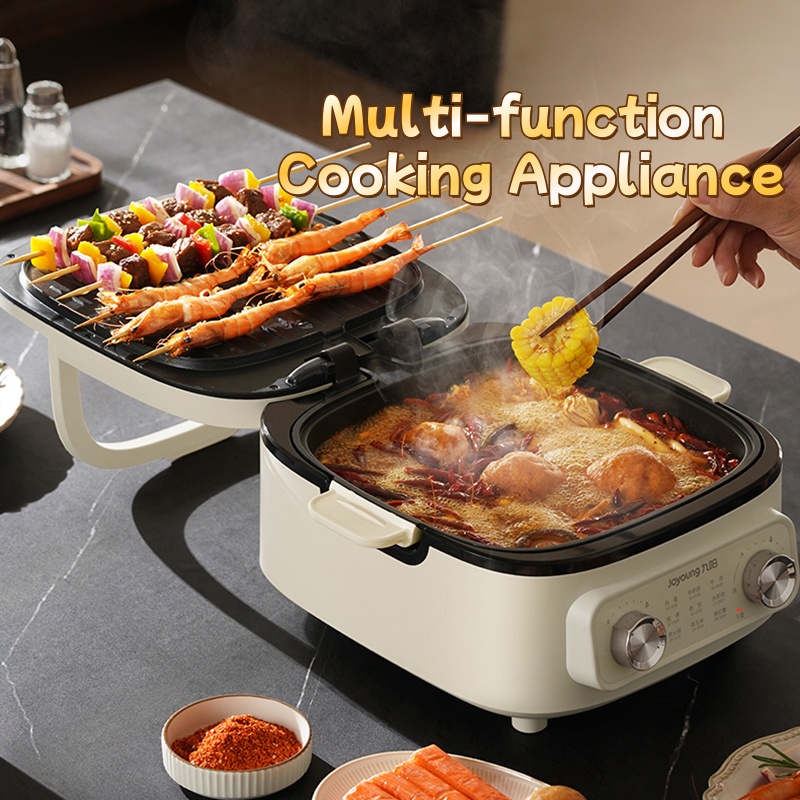
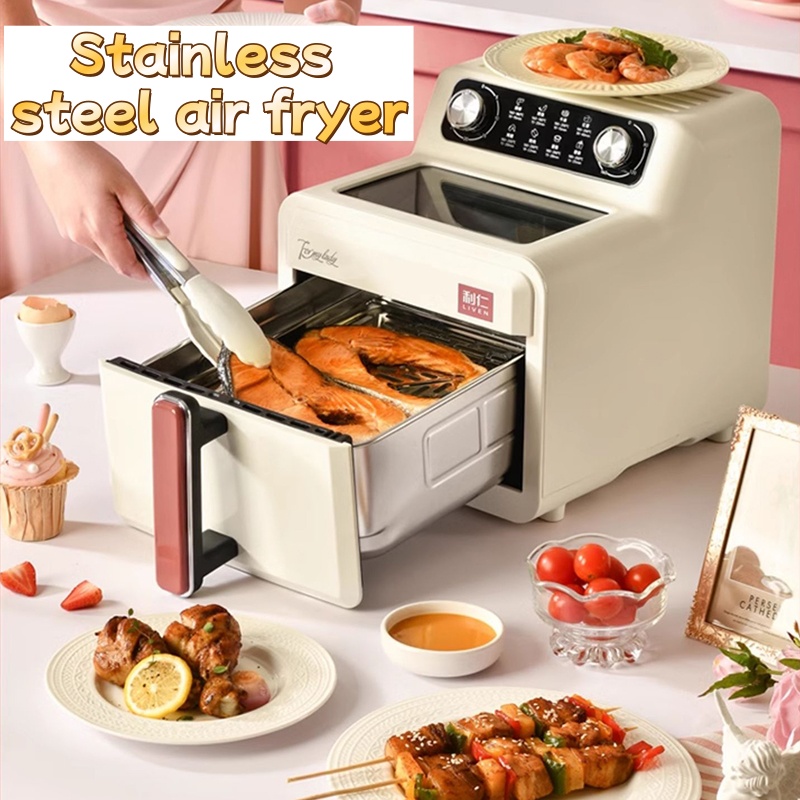
Air fryers, multifunction cookers, connected ovens — they’ve quietly become everyday staples.
Not because they’re trendy, but because they make dinner simpler.
Less oil. Less guesswork. Less cleanup.
For busy households, that convenience matters more than flashy features.
And with more people cooking at home again, demand for efficient, space-saving solutions keeps rising.
Clean Lines, Hidden Tech
Design trends are influencing appliance decisions more than ever.
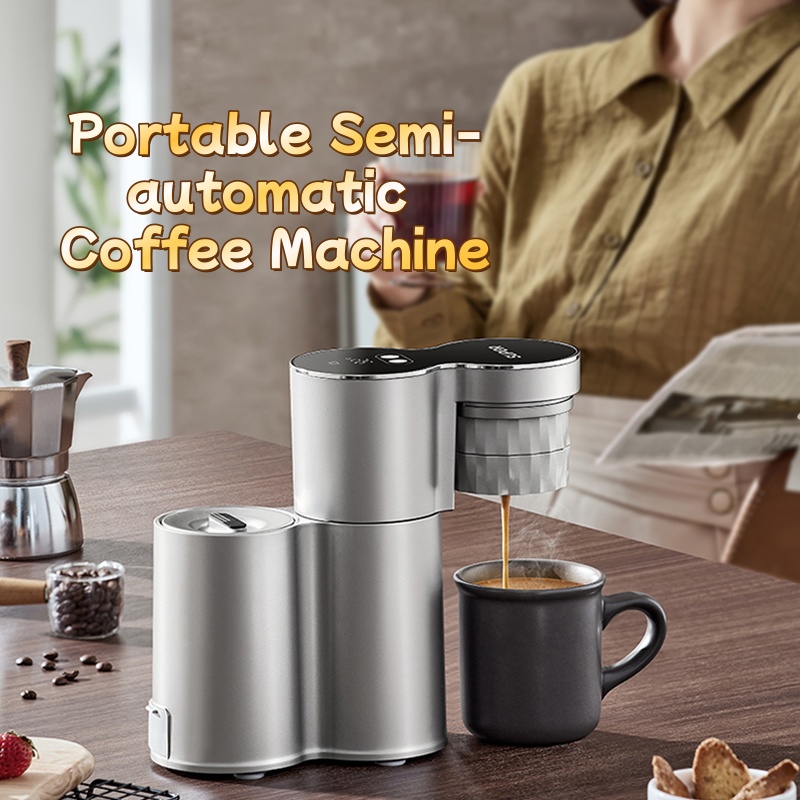
Built-in kitchen appliances are gaining popularity because they disappear into the space. Panel-ready refrigerators. Integrated dishwashers. Coffee systems tucked seamlessly into cabinetry.
The goal isn’t to show off technology.
It’s to make it feel invisible.
A modern kitchen today is calm, cohesive, and intentionally minimal. Appliances support the space instead of dominating it.
Homes as Wellness Spaces
Something else has shifted in recent years: the way we think about indoor environments.
Air quality. Water quality. Humidity. Allergens.
Searches for water purification systems and home wellness devices reflect a bigger mindset change. The home is no longer just functional — it’s protective.
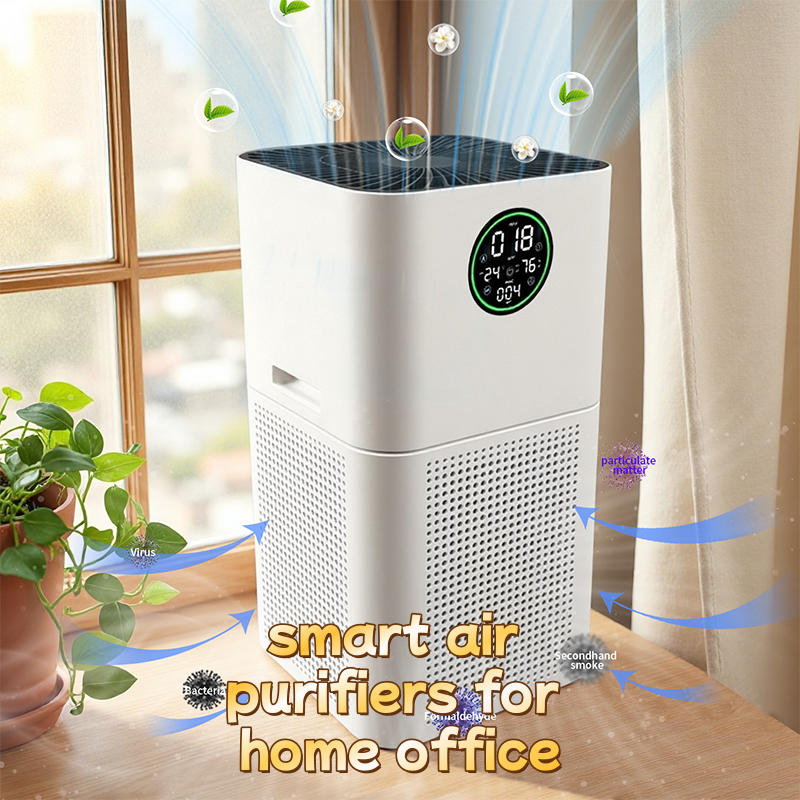
An air purifier running quietly in the background.
Filtered drinking water straight from the tap.
Humidity levels automatically balanced during dry seasons.
These upgrades aren’t dramatic. But over time, they make a difference.
Cleaning Without Thinking About It
If there’s one category that’s matured quickly, it’s robotic cleaning.
The latest robot vacuum and mop combo systems are surprisingly capable. They map rooms accurately. They empty themselves. They avoid obstacles with precision.
For pet owners or busy families, it’s not about novelty anymore. It’s about reclaiming time.
And that’s really what many of these home appliance trends come down to.
Time. Energy. Ease.
Where It’s All Heading
What’s interesting about the current evolution of home appliances isn’t just the technology itself.
It’s the intention behind it.
People want homes that:
Feel calmer.
Run more efficiently.
Require less effort.
Support healthier living.
Smart home appliances, energy-efficient systems, integrated kitchen designs — they’re all responses to that deeper desire.
The future of home living isn’t louder or more complicated.
It’s quieter. Smarter. More seamless.
And in many ways, that’s exactly what modern households are looking for.



















 Interesting Home Appliances